All posts by magister

As Colleges Move Classes Online, Families Rebel Against the Cost


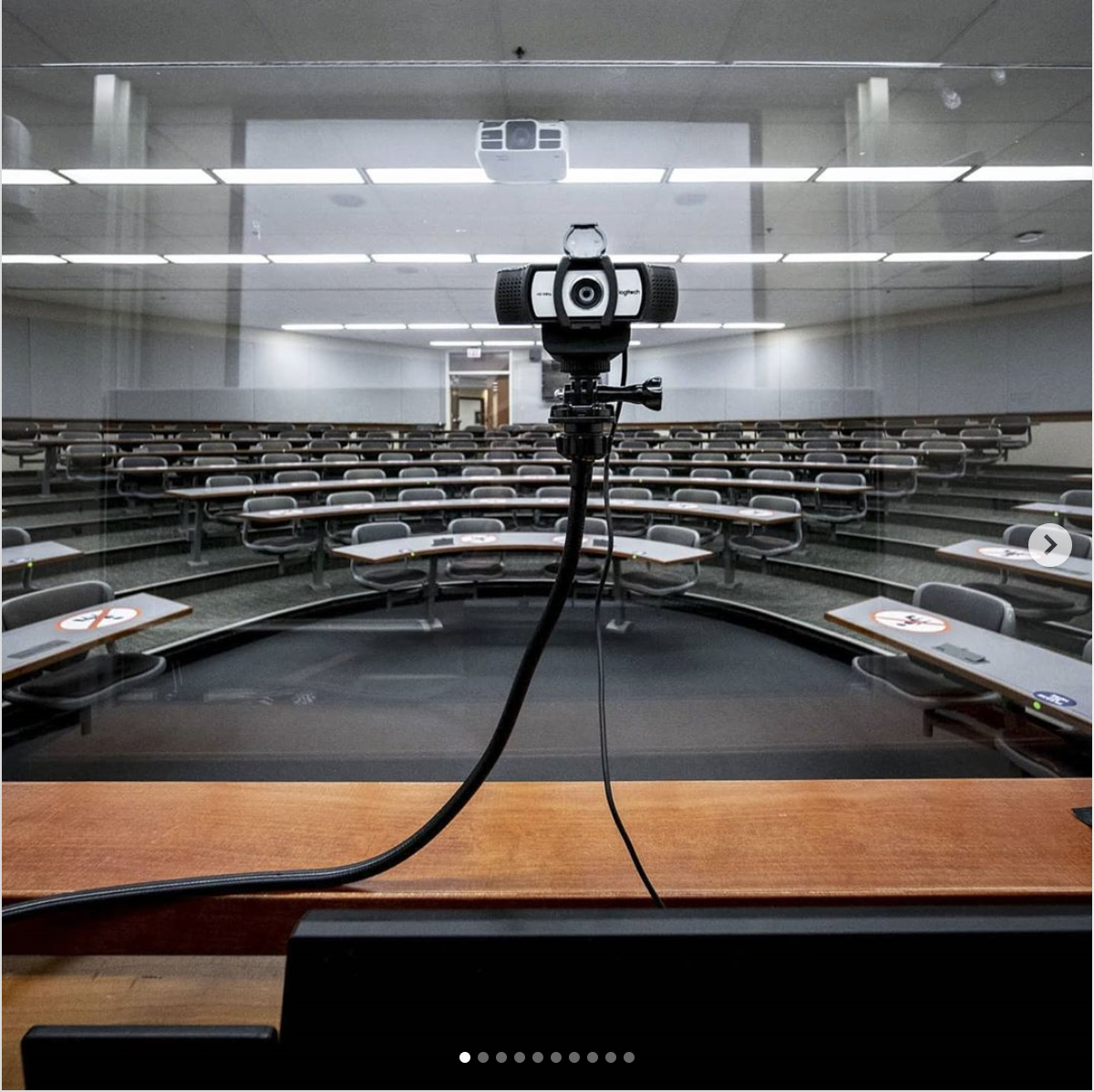
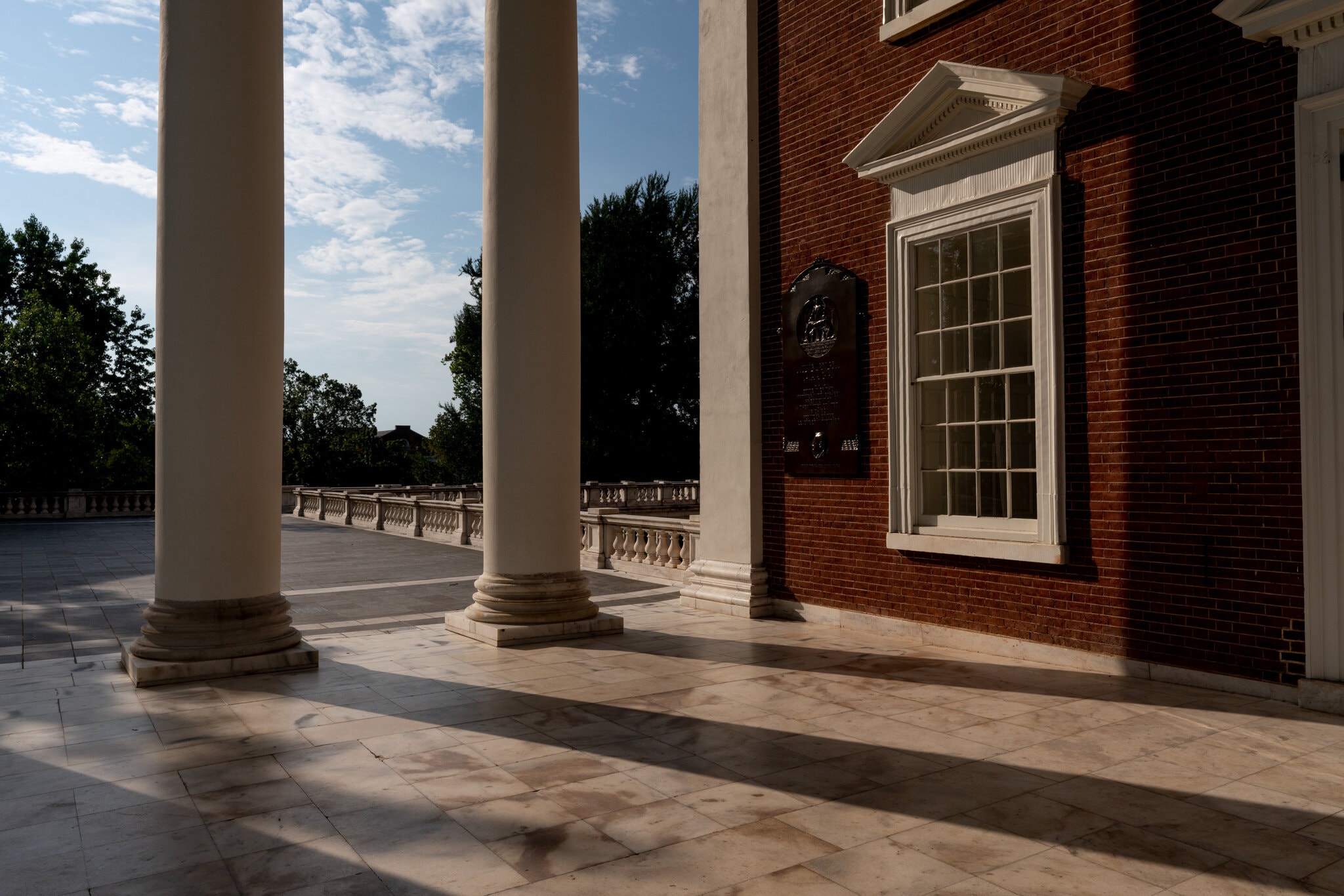
-University of Virginia, please click on the image for greater detail.

-by Shawn Hubler

Schools face rising demands for tuition rebates, increased aid and leaves of absence as students ask if college is becoming “glorified Skype.”

After Southern California’s soaring coronavirus caseload forced Chapman University this month to abruptly abandon plans to reopen its campus and shift to an autumn of all-remote instruction, the school promised that students would still get a “robust Chapman experience.”

“What about a robust refund?” retorted Christopher Moore, a spring graduate, on Facebook.

A parent chimed in. “We are paying a lot of money for tuition, and our students are not getting what we paid for,” wrote Shannon Carducci, whose youngest child, Ally, is a sophomore at Chapman, in Orange County, where the cost of attendance averages $65,000 a year. Back when they believed Ally would be attending classes in person, her parents leased her a $1,200-a-month apartment. Now, Ms. Carducci said, she plans to ask for a tuition discount.

A rebellion against the high cost of a bachelor’s degree, already brewing around the nation before the coronavirus, has gathered fresh momentum as campuses have strained to operate in the pandemic. Incensed at paying face-to-face prices for education that is increasingly online, students and their parents are demanding tuition rebates, increased financial aid, reduced fees and leaves of absences to compensate for what they feel will be a diminished college experience.

At Rutgers University, more than 30,000 people have signed a petition started in July calling for an elimination of fees and a 20 percent tuition cut. More than 40,000 have signed a plea for the University of North Carolina system to refund housing charges to students in the event of another Covid-19-related campus shutdown. The California State University system’s early decision to go online-only this fall has incited calls for price cuts at campuses from Fullerton to San Jose.

At Ithaca College — student population, 5,500 — the financial services team reports more than 2,000 queries in the past month about financial aid and tuition adjustments. Some 340 Harvard freshmen — roughly a fifth of the first-year class — deferred admission rather than possibly spending part of the year online, and a parents’ lobbying group, formed on Facebook last month, has asked the administration to reduce tuition and relax rules for leaves of absence.

Universities have been divided in their response, with some offering discounts but most resisting, arguing that remote learning and other virus measures are making their operations more, not less, costly at a time when higher education is already struggling.

“These are unprecedented times, and more and more families are needing more and more financial assistance to enroll in college,” said Terry W. Hartle, a senior vice president for the American Council on Education, a higher education trade group. “But colleges also need to survive.”

The roster of colleges that have rescinded plans to reopen their classrooms has been growing by the day. In the past two weeks, the University of Maryland, the University of Pennsylvania, the University of Southern California, the University of Virginia, Princeton and a host of other colleges announced plans to hold all or most of their classes online, citing concerns about the coronavirus. According to the Chronicle of Higher Education, less than a quarter of the nation’s 5,000 colleges are committed to providing instruction primarily or completely in person.

At Illinois State University, an 11th-hour shift infuriated Joseph Herff, a 22-year-old business major. He had locked into an off-campus lease and taken out $10,000 more in student loan debt by the time the school announced that its fall would be mostly online — the result of public health guidance and a shortage of coronavirus tests, according to the university’s president, Larry Dietz.

“I don’t have an issue with moving classes to online. I do have an issue though that classes are charged the same price,” Mr. Herff tweeted on an account that, until this month, he said in an interview, he had largely reserved for sports talk. “Why is this fair?”

Many colleges were facing financial dark clouds even before the coronavirus arrived. Population declines in some parts of the country have dampened enrollment, and soaring tuition has led many families to question the price of a college diploma. Moody’s Investors Service, which in March downgraded the higher education sector to negative from stable, wrote that even before the pandemic, roughly 30 percent of universities “were already running operating deficits.”

Since then, emptied dorms, canceled sports, shuttered bookstores and paused study-abroad programs have dried up key revenue streams just as student needs have exploded for everything from financial aid and food stamps to home office equipment and loaner laptops.

Public health requirements for masks, barriers, cleaning and other health protections also have added new costs, as have investments in training and technology to improve remote instruction and online courses.
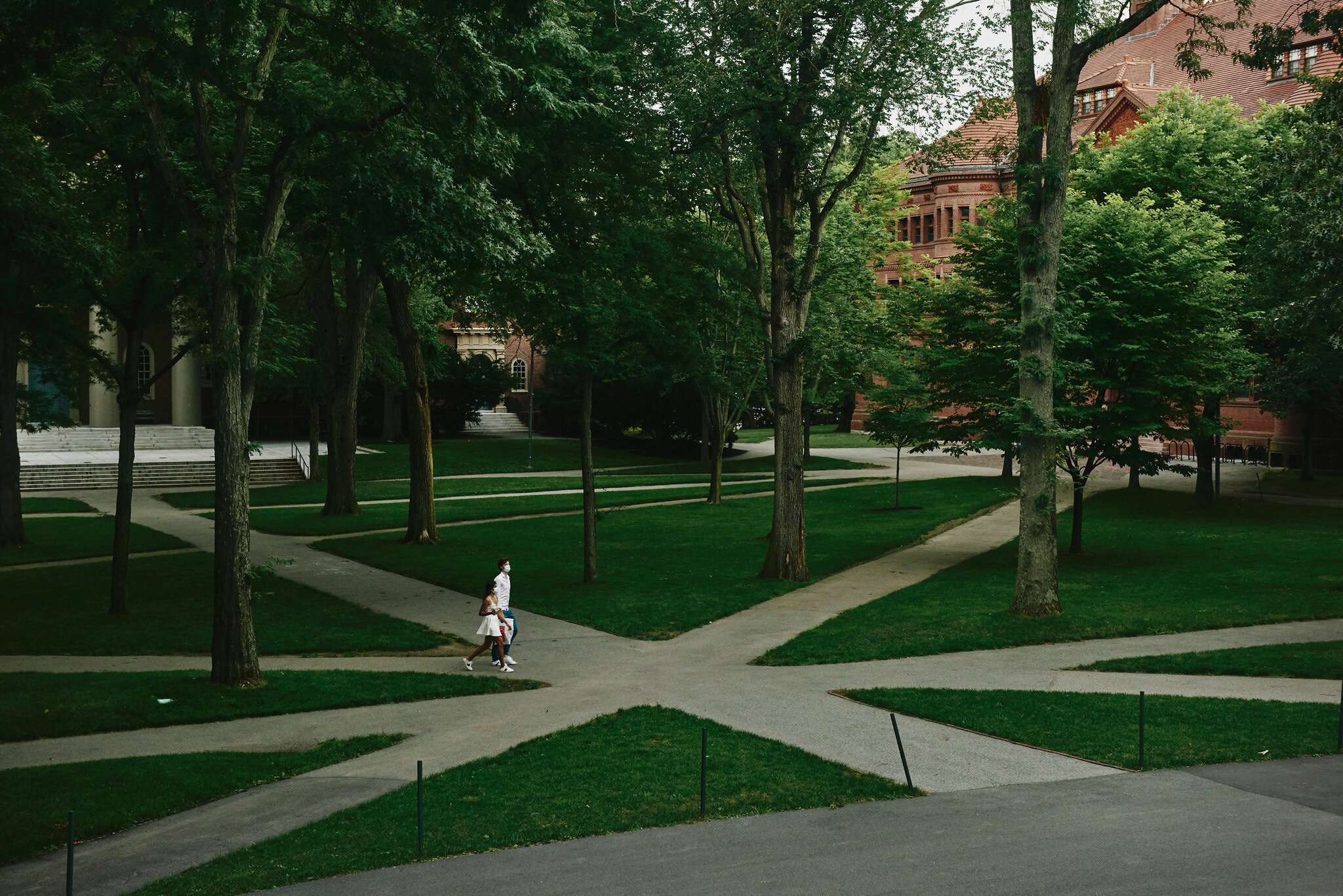

-Harvard, please click on the image for greater detail.

“Starting up an online education program is incredibly expensive,” said Dominique Baker, an assistant professor of education policy at Southern Methodist University. “You have to have training, people with expertise, licensing for a lot of different kinds of software. All those pieces cost money, and then if you want the best quality, you have to have smaller classes.”

Chapman’s president, Daniele Struppa, said the university spent $20 million on technology and public health retrofits for the fall semester, and he estimates that the switch to an online fall will cost the school $110 million in revenue. He has cut spending “brutally” from the $400 million annual budget, he said, freezing hires, slashing expenses, canceling construction of a new gym, ending the retirement match to employees and giving up 20 percent of his own $720,000 base salary.

Only students who can demonstrate financial need will get help, he is telling families. “Tuition really reflects our cost of operation, and that cost has not only not diminished but has greatly increased.”

A survey by the American Council on Education estimated that reopening this fall would add 10 percent to a college’s regular operating expenses, costing the country’s 5,000 some colleges and universities a total of $70 billion.

“For institutions,” said Mr. Hartle, who lobbies for the council, “this is a perfect storm.”

Students are feeling tempest tossed, too.

Temple sociologist Sara Goldrick-Rab, founder of the university’s Hope Center for College, Community and Justice, said the organization has been “bombarded” with pleas for help from students who can’t cover their rent and don’t know how to apply for food stamps. At least a third of students had lost jobs because of the pandemic by May, according to the center.

Such situations, Ms. Goldrick-Rab said, are particularly risky because they often prompt students to take on second or third jobs or to become distracted, which in turn imperils financial aid that can be revoked if their grades fall.

Laurie Koehler, vice president for enrollment strategy at Ithaca College, said about one in six students reported in a just-completed survey that the pandemic had significantly hurt their ability to continue their studies. At Lafayette College in Easton, Pa., the school’s president, Alison Byerly, said she expects requests for additional financial aid to grow by up to 15 percent this year.

But the shift online also has accelerated fundamental questions about the future of higher education, said the director of the Edunomics Lab at Georgetown University, Marguerite Roza.

“This is a moment that is basically forcing students and parents to say, ‘What is the value? If I can’t set foot on campus, is that the same value?’”

Will Andersen, an 18-year-old incoming freshman at the University of Wisconsin-Madison, put it this way: “Who wants to pay $25,000 a year for glorified Skype?”

“Education isn’t just information,” agreed Yolanda Brown-Spidell, a Detroit-area teacher and divorced mother of five whose lament last month about remote learning in a private Facebook group for Harvard parents burgeoned into a lobbying push to ease school policies on tuition and fall housing.

“Being able to meet up with friends, have those highly intellectual conversations, walking over to CVS and getting ice cream at 1 in the morning,” she said, ticking off the parts of education her daughter, a rising junior, has missed while working at home on her computer. “And let’s not forget just not being home with your mama, with her eyes on you.”

Some families have sued. Roy Willey, a class-action attorney in South Carolina, said his firm alone has filed at least 30 lawsuits — including against the University of California system, Columbia University and the University of Colorado — charging universities with breach of contract for switching in-person instruction to online classes, and is closely monitoring the fall semester.

Most suits are in their early stages, though several universities have moved for dismissal. “If you and I go down to the steakhouse and order a prime rib, and prepay for it and sit at our table, and a while later the server comes by and says, ‘Here’s two hamburgers, we’re out of prime rib’ — well, we may eat the hamburgers, but they’re not entitled to the money we would have paid for prime rib,” Mr. Willey said.
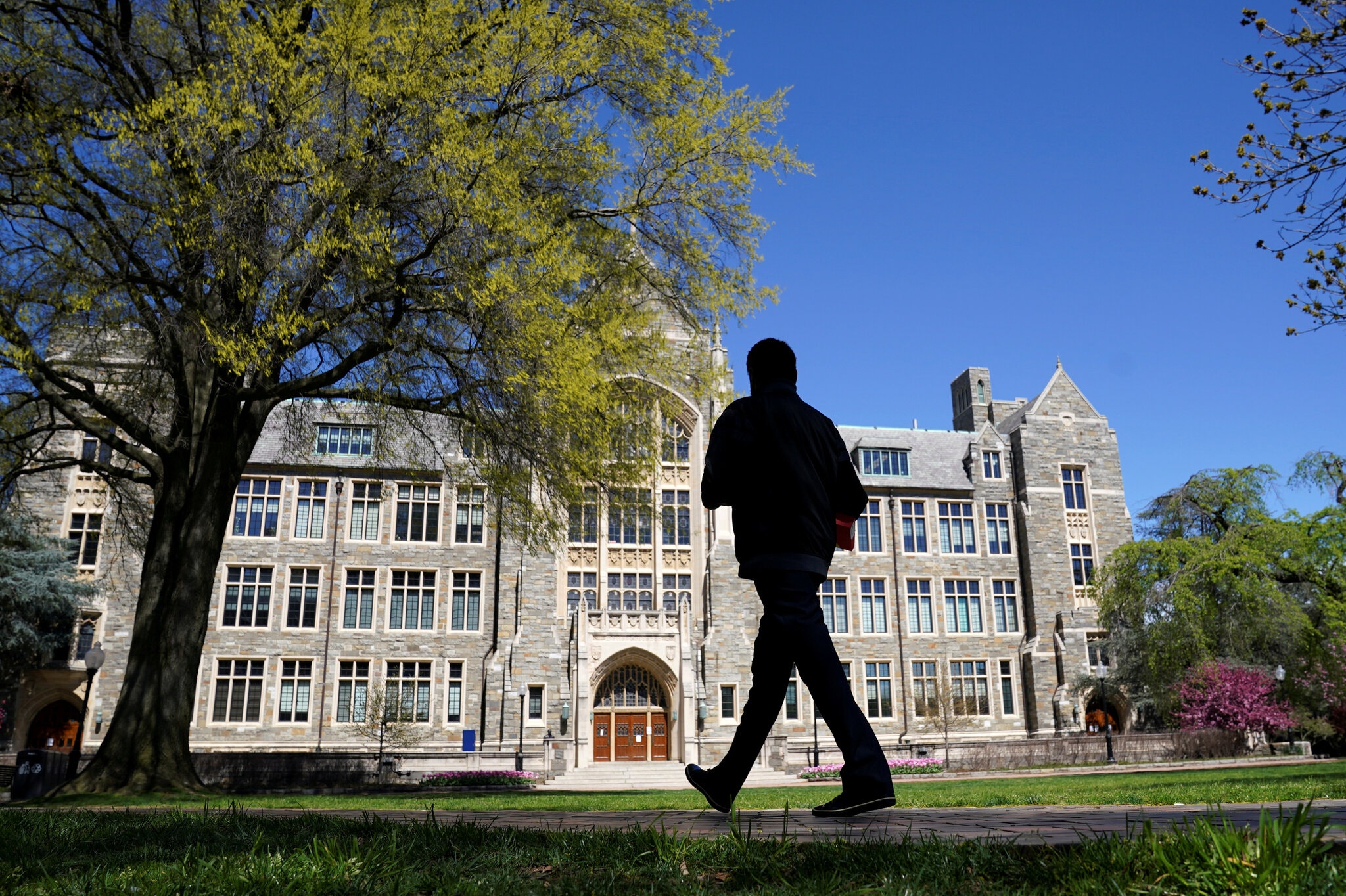

-Georgetown, please click on the image for greater detail.

A handful of universities have announced substantial price cuts. Franciscan University of Steubenville, a private Catholic university in Ohio with about 3,000 students, announced in April that it will cover 100 percent of tuition costs, after financial aid and scholarships, for incoming undergraduates. Williams College in Massachusetts took 15 percent off in June when it announced it would combine online and in-person instruction this fall.

More typical is the 10 percent cut at Catholic University in Washington, which plans to start the semester online and dramatically scale back the number of students allowed back onto campus. Johns Hopkins, Princeton, Georgetown University, Spelman College and other institutions are offering similar reductions. Lafayette College is limiting its 10 percent to students who study from home for the semester. The University of Southern California has offered a $4,000-per-semester “Living at Home Scholarship.”

Some schools are extending freebies. Pacific Lutheran University in Tacoma, Wash., has offered to tack on a tuition-free year of instruction for currently enrolled students, noting on its website that the current situation is not “the college experience they imagined.” St. Norbert College in De Pere, Wis., is offering a free semester.

But most colleges have kept prices flat, and a few have even increased them. They can’t afford to do otherwise without mass faculty layoffs, said Robert Kelchen, a Seton Hall University associate professor of higher education, even though the isolated, monitored experience campuses are selling this fall “is going to feel like some combination of a monastery and a minimum-security prison.”

“This crisis is demonstrating that there is real value in face-to-face instruction,” agreed David Feldman, an economist at William & Mary in Virginia and author, with Robert B. Archibald, of “The Road Ahead for America’s Colleges and Universities.” That recognition, he said, will generally protect better-endowed schools and those with state support.

Even so, he said, a culling is at hand for higher education. His prediction: a consolidation of public university branch campuses and a reckoning for some small, private liberal arts colleges that are already operating on thin margins.

“There will be a shakeout,” he said.
1 in 5 college students don’t plan to go back Fall 2020


https://www.axios.com/college-poll-students-campus-coronavirus-7b6c2687-e2df-4f72-9305-7b9f1a611f04.html?utm_source=linkedin&utm_medium=social&utm_campaign=organic&utm_content=1100

As the coronavirus pandemic pushes more and more universities to switch to remote learning — at least to start — 22% of college students across all four years are planning not to enroll this fall, according to a new College Reaction/Axios poll.

Why it matters: Scores of colleges were already approaching a financial cliff before the pandemic began. Steep drops in enrollment could push some over the edge.

Students are making alternative plans for the fall.

  • Of those not returning to school, most — 73% — are working full time. Around 4% are taking classes at a different university, and 2% are doing volunteer work.
  • Freshmen who are unwilling to sacrifice the experience of a normal first year of college appear to account for a big chunk of those who are planning not to enroll this fall. Harvard, which is going fully remote, says 20% of the students in its incoming freshman class are deferring.
  • Students also recognize the risk. 85% believe they are likely (or very likely) to be exposed to the coronavirus if they’re on campus this fall.

Some colleges are planning to welcome students back. And those kids are preparing for a very different college experience.

  • No more dorm life: Of the students returning to a campus, 56% are living off-campus, 7% are in single dorms and 9% are in doubles. Many universities are limiting dorm capacities.
  • Party police: A clear majority — 58% — of students say they’ll tell the school if they see a peer violate campus safety protocol.
  • Tailgating is over: 77% say their school shouldn’t participate in football and other sports this fall.

Pressing pause on the college experience


https://www.collegereaction.com/post/pressing-pause-on-the-college-experience

Coronavirus swept students from campuses this March as America absorbed the full impact of the coronavirus. Since then, colleges have been monitoring COVID’s “surge, sink, surge, settle,” and blueprinting their plan to bring students back.

Now, students are trickling back onto campus in formats from “Zoom class from your dorm,” to full-on, in-person instruction.

The big questions:

Will students come back?

Will they follow protocol?

What will things look like?

o Dorms?

o Sports?

o Classrooms?

o “Parties?”

Our latest findings suggest things will look different. They imply there is potential for success in safely re-opening, with some key warning signs.

Enrollment: 22% of current college students say they are not attending college this Fall.

• Most of whom are working full-time in the interim.

Work: 27% of students lost their job this summer.

COVID compliance: 58% say they will not notify their school if someone breaks campus safety protocol.

• Though, 83% say they plan to comply with COVID protocol. We will monitor this statistic.

Sports: 77% say their college should not participate in football and other fall sports given the risks.

Below are the complete list of key findings:

Key findings:

College Reaction/Axios Poll | n=798 | August 16-17

• 27% of students lost their jobs this summer

• 22% are not enrolling in college this Fall

• 83% say they plan to adhere to college’s complete COVID-19 protocol (we’re going to track to see if they actually stick to their prediction).

• 77% say their school shouldn’t participate in football and other sports this Fall

• Of those living on campus, 58% say they will not notify their school if someone breaks campus safety protocol

Will you get a refund if COVID-19 closes your campus?


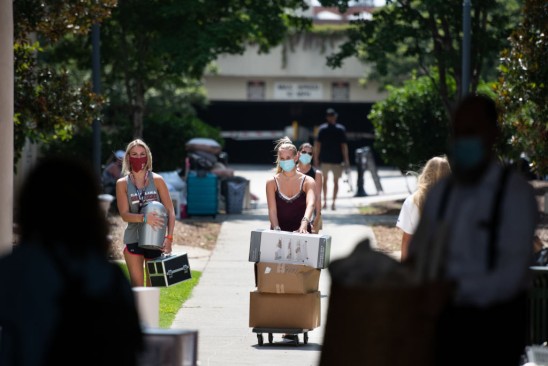
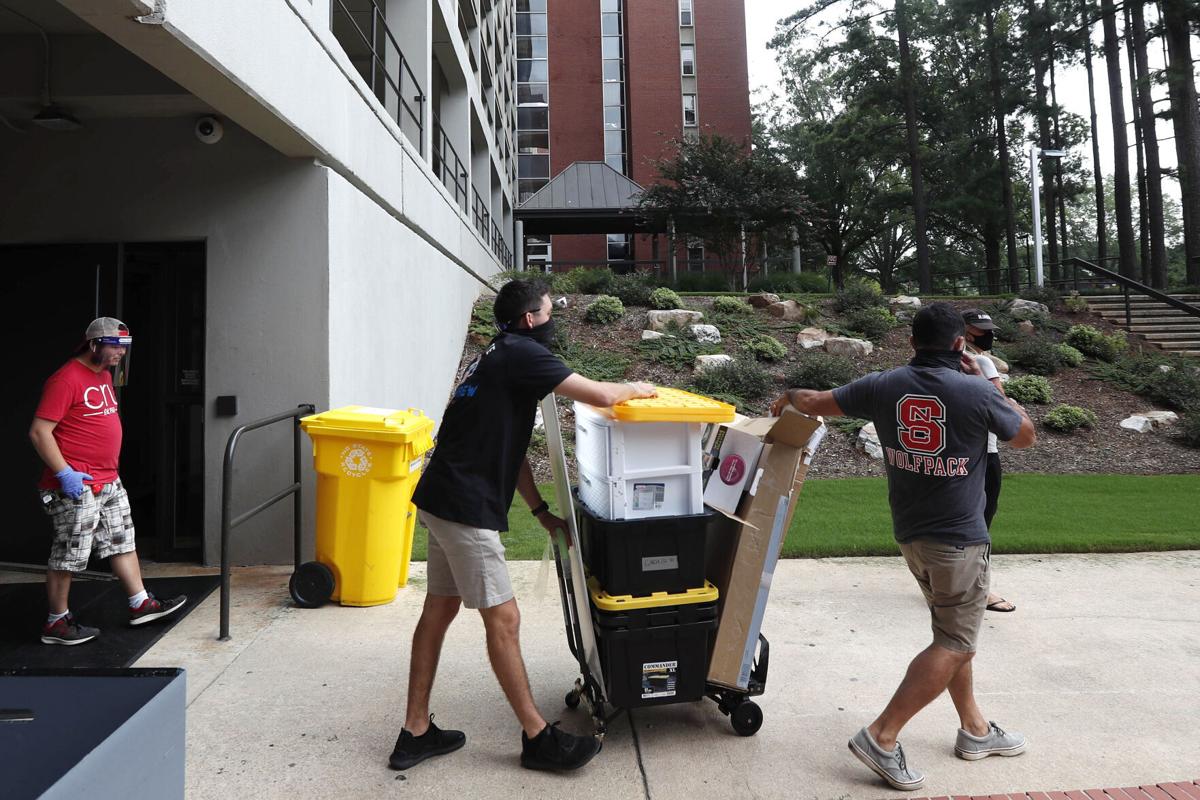
FILE – In this July 31, 2020, file photo, college students begin moving in for the fall semester at N.C. State University in Raleigh, N.C. Colleges are eager to share their reopening plans as they encourage students to return to campus. But fewer of them are talking about the elephant in the room: what happens if they need to shut down again.

https://apnews.com/2e0f0d026b0c396f12f8c96a202cab0f

#class_action_lawsuit if no #discount

Many colleges are welcoming students back for in-person learning and dormitory living this fall semester. Looming over everything: Campuses could shut back down at any time.

With COVID-19 cases still high, many colleges are developing shutdown contingency plans alongside their reopening arrangements.

At the same time, the pandemic is fueling new debate about whether colleges should charge the same tuition for online and in-person classes. Tuition typically covers the cost of instruction — salaries, software, labs and such — and that cost at many schools may have increased.

The University of North Carolina Wilmington, as an exception, has a different cost structure for online, hybrid and in-person classes. Still, it announced that students won’t receive a tuition refund if in-person classes move online this fall. And, after the pivot from it’s sister school at Chapel Hill, it told students to prepare for a similar transition if cases rise.

That leaves freshman Owen Palmer weighing the possibility that the education he is paying for may not be the one he gets. “I’m taking a risk because (the university) mentioned they can’t do refunds,” says Palmer. For him, the risk is worth it, but he does wonder what he’ll do if the campus has to close.

Here’s what he and other students can expect as the fall shapes up.

DON’T EXPECT A BREAK ON TUITION

Some schools have cut tuition. Hampton University is offering students a 15% discount, bringing undergraduate tuition to $12,519. Other schools are offering additional scholarships and grants.

But tuition decreases and additional aid aren’t the norm.

“If I had to make bets, I would say a lot of colleges will be (freezing tuition) until they get a better sense of the economy,” says Arun Ponnusamy, chief academic officer at the college admissions and application counseling company Collegewise. “But there will be other colleges that say, ‘We need money to run this school.’”

That may be happening already. George Mason University in Virginia approved a tuition increase of $450. The University of Michigan approved a 1.9% tuition increase. Both schools are planning a mix of online and in-person instruction.

MEALS AND HOUSING REFUNDS LIKELY

Many colleges aren’t publicizing their shutdown contingency plans — or how refunds will work. But students can look to how their school handled refunds in the spring to gauge how fall might play out.

Florida Agricultural and Mechanical University gave refunds for on-campus housing and meal plans, says William Hudson Jr., the school’s vice president for student affairs. If the campus has to shut down this fall, Hudson says the refund structure “would probably be the same.”

Other colleges also offered direct refunds for students. For example, Temple University automatically deposited partial refunds for room and board in students’ bank accounts. The University of North Carolina Wilmington gave prorated refunds for room and board.

But some colleges opted for account credit instead:

— The University of Arkansas refunded about 20% of room and board costs to student accounts. They haven’t announced an official plan in case of a fall shutdown, but staff members expect it’ll be the same.

— The University of Alabama offered a prorated refund for room and board, and parking. Students could take a cash refund immediately or apply that amount and an extra 10% as an account credit for the fall.

College to use tracking device that notifies officials if students leave school’s ‘COVID-bubble’- violators may be temporarily suspended

https://www.theblaze.com/news/college-tracking-device-students-covid-bubble

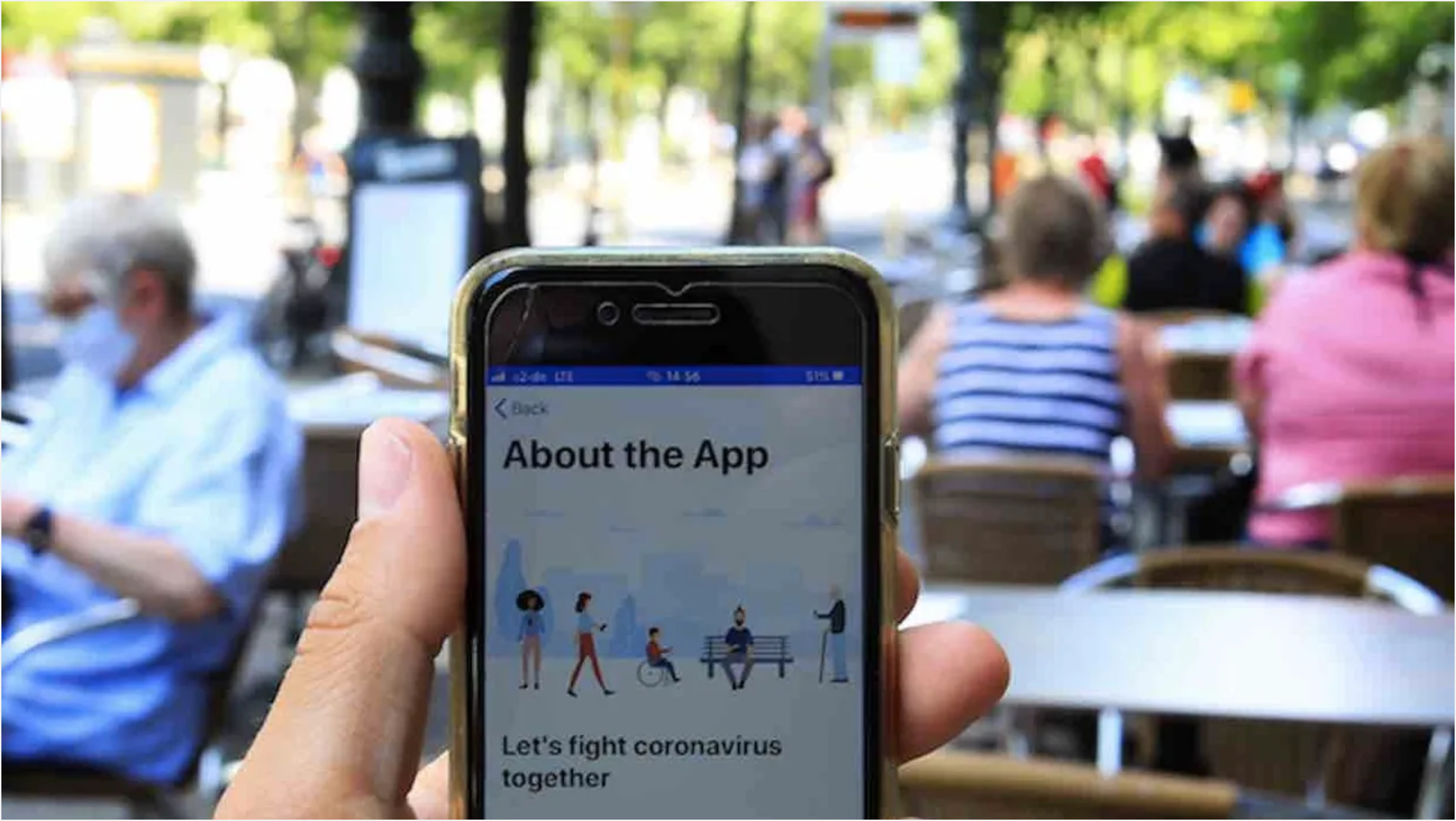
Michigan’s Albion College is requiring that students download a phone application that tracks at all times their physical locations as well as their private health data in order to battle the spread of the coronavirus, the Washington Free Beacon reported.

Albion — a private college — is aiming to create a “COVID-bubble” on campus for the entire semester, the Free Beacon said. And if a student breaks the 4.5-mile perimeter, the app notifies the administration, and the student could be temporarily suspended, the paper added.

But as you might imagine, this plan has students and parents complaining about privacy invasion.

“The school wants my daughter to sign a form consenting to specimen collection and lab testing,” one father told the Free Beacon on the condition of anonymity. “I have a ton of concern with that. … Why is the state of Michigan’s contact tracing not enough?”

The paper added that while students are required to remain on campus, professors and administrators are not. And Albion — when asked about this disparity and potential “COVID-bubble” loophole — declined to comment, the Free Beacon said.

“I feel like I am being treated like a five-year-old that cannot be trusted to follow rules,” rising senior Andrew Arszulowicz told the paper. “If the school believes masks work … why are we not allowed to leave if they work? It does not make sense to me.”

What else?

More from the Free Beacon:

“Albion is planning to offer in-person learning only, and students who refuse to comply with the contact-tracing program will be forced to defer for a semester or a full school year.

Coronavirus testing will be required upon arrival to campus. It’s unclear how many follow-up tests the university will mandate throughout the 14-week semester, but the results be stored on Albion’s tracking app.

Returning students must also sign a form authorizing the disclosure of their test results to the county, state, or “any other governmental entity as may be required by law” — though the school told the Free Beacon that state and county officials are not collecting information from the app.”

In addition to downloading the app, students must undergo a mandatory three-day quarantine after they move back to campus. They will be given a list of “approved businesses” to frequent, and must fill out an online form five days in advance if they plan to leave for “approved” activities, such as medical appointments, religious obligations, and “significant family obligations.””

In addition to the possibility of receiving suspensions, students who don’t comply with the guidelines will be locked out of their dorms and other on-campus buildings, the paper said, citing emails from the university it obtained.

Falling meatball from sandwich causes college student to fail exam

Online IS harder!!

July 22 2020

“A junior at the University of Georgia has been given a second chance after a meatball blunder caused her to fail a test.

Sam Lee was taking an online exam for her economics class while eating a meatball sandwich. As Lee moved through the test, a meatball fell out of the sub roll and on to her keyboard, effectively exiting and ending the exam before she was finished.

In the email, which Lee posted a screenshot of on Twitter, the student tells her professor that “a meatball that had tragically fallen onto my keyboard as I was taking the exam.”

“It hit some sort of escape button and closed the entire browser,” she recently told BuzzFeed News.

As panic set in, Lee starting crafting an email that reportedly took her “six hours to write” to explain the messy situation.

“This said meatball caused some malfunctions with my laptop and caused the test to submit itself,” the email continues. According to a photo of the test results, the student received a 39.17 percent on the meatball-ended exam.

Though Lee concedes “a falling meatball is no excuse for the failing grade on this exam,” she asks her professor if she could retake the test.

Surprisingly enough, her professor responded and agreed to extend the test deadline until midnight that night for her to retake.

“I would recommend you take the test either before or after dinner. :-)” her professor wrote in the email, BuzzFeed reported.”